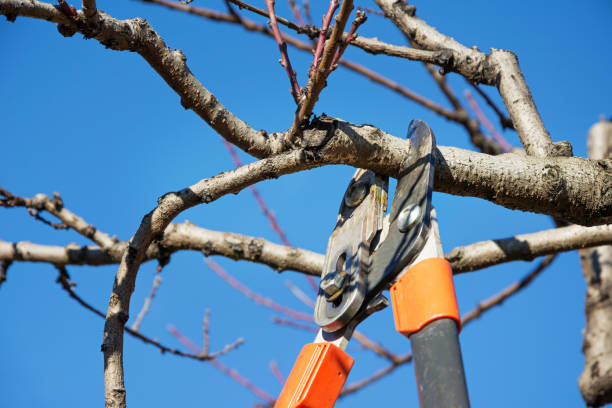
The Complete Guide to Professional Pruning Services for North Texas Homeowners
There's a reason the most beautiful yards in Southlake, Colleyville, Grapevine, and Fort Worth all have one thing in common — the trees and shrubs on those properties are professionally pruned on a regular schedule. Pruning is one of those services that separates a yard that looks maintained from one that looks truly cared for. It's the difference between plants that are surviving and plants that are genuinely thriving.
At RP Lawn Service, pruning is one of the core services we provide to homeowners and commercial properties across the DFW area. With over 25 years of experience maintaining North Texas landscapes, our team has developed a deep understanding of what the plants in this region need — and when they need it. This guide covers everything a DFW homeowner should know about professional pruning, from the basics to the finer points that make the difference between a good pruning job and a great one.
What Professional Pruning Actually Is
Pruning is the intentional, selective removal of specific parts of a plant — branches, stems, buds, or roots — to improve its health, structure, safety, or appearance. It's not random cutting. It's not just removing whatever looks overgrown. Professional pruning is informed by a working knowledge of plant biology, growth patterns, seasonal timing, and the specific needs of each species.
In a North Texas landscape, the plants you're likely pruning fall into a few broad categories: ornamental trees, shade trees, flowering shrubs, evergreen shrubs, and hedges. Each category has its own pruning requirements, preferred timing, and techniques. A professional pruning service understands the differences and approaches each plant accordingly.
What pruning is not: it's not the same as trimming. Trimming is primarily an aesthetic service — shaping shrubs and hedges to maintain a defined appearance. Pruning goes deeper, addressing the structural and health-related needs of the plant. Both are important parts of a comprehensive landscape maintenance program, and RP Lawn Service provides both.
Why Pruning Matters More in North Texas Than Most Homeowners Realize
The climate in the DFW area puts unique stress on landscape plants. Triple-digit summer heat, sudden hard freezes, high winds during spring storm season, and significant swings in rainfall all create conditions that challenge trees and shrubs in ways that milder climates simply don't.
Proper pruning helps plants manage these stresses by reducing the demands placed on their root systems, improving their structural integrity, and removing damaged or diseased wood before it spreads. A well-pruned tree is more wind-resistant than an unpruned one — the thinned canopy allows wind to pass through rather than catching it like a sail. A well-pruned shrub is less likely to develop fungal disease because air circulation is better throughout the plant.
Beyond stress management, pruning in North Texas is a safety issue. Dead branches in trees over homes, driveways, vehicles, and outdoor living spaces are a genuine hazard during the severe thunderstorms and occasional ice storms that affect the DFW area. Proactive pruning removes that risk before it becomes an emergency.
The Benefits of Regular Professional Pruning
Let's walk through the full range of benefits that professional pruning delivers for North Texas landscapes:
Improved Plant Health
Removing dead, diseased, or dying branches stops the spread of disease and eliminates the conditions where insects and pathogens establish. It also allows the plant to redirect energy from maintaining dead tissue toward healthy growth. Regular pruning literally makes plants healthier and extends their productive life in the landscape.
Better Flowering and Fruiting
Many flowering shrubs and ornamental trees produce significantly more blooms when pruned correctly. Removing old growth stimulates the development of new wood, which is where most flowering plants produce their best blooms. Homeowners who wonder why their Knockout Roses aren't blooming as abundantly as they used to — or why their Crape Myrtle isn't performing — are often dealing with a plant that needs professional pruning attention.
Structural Integrity
Trees develop structural problems over time — codominant stems competing for dominance, included bark at tight crotch angles, branches with excessive end weight. These structural issues are manageable when caught early through regular pruning but can become major — and expensive — problems if left unaddressed. Professional pruning corrects structural issues while trees are young and before the problems compound.
Enhanced Curb Appeal
This one is immediately visible. Professionally pruned trees and shrubs make a property look intentional, cared for, and polished. In DFW communities where curb appeal directly affects property values — Southlake, Colleyville, Westlake, Keller — professional pruning is one of the highest-visibility investments a homeowner can make in their landscape.
Safety
Dead, overextended, or structurally compromised branches are a hazard. In a region with active storm seasons, proactive pruning removes these hazards before they become problems. This is particularly important for branches over rooflines, vehicles, patios, and power lines.
Seasonal Timing: When to Prune What in DFW
Timing is one of the most critical factors in professional pruning — and one of the most commonly misunderstood by homeowners attempting DIY work. The right time to prune depends on the specific plant, its growth cycle, and what you're trying to accomplish.
Late Fall and Winter (November – February)
This is the primary pruning window for most trees and many shrubs in North Texas. Plants are dormant, which means pruning stress is minimized. Insects — including many wood-boring beetles that are attracted to fresh pruning cuts — are less active in cold weather. And the leafless structure of deciduous trees makes it much easier to see and assess the branching architecture.
Major structural pruning, crown thinning, and deadwood removal in trees should happen during this window whenever possible.
Spring (March – April)
Spring is when flowering shrubs need attention. Spring-flowering shrubs — those that bloom before June — produce their flowers on old wood from the previous season. This means they need to be pruned immediately after they finish blooming. Pruning them in fall or winter removes the flower buds and means you'll miss the bloom entirely.
Common spring-flowering shrubs in DFW landscapes include azaleas, forsythia, and spirea. Get them trimmed within a few weeks of their last bloom.
Summer (May – September)
Light corrective pruning — removing suckers, water sprouts, crossing branches, and any storm damage — can be done throughout the growing season. Heavy structural pruning during summer heat is generally avoided because the open wounds and reduced foliage increase stress on the plant significantly.
Fall (October – November)
Fall is a transitional period. Light shaping of shrubs can continue as growth slows. Avoid heavy pruning in fall for most plants — stimulating new growth heading into winter is counterproductive, as tender new growth is vulnerable to cold damage.
Common Pruning Mistakes DFW Homeowners Make
These are the pruning errors we see most often when homeowners in the DFW area attempt to handle pruning themselves — and they're exactly why professional pruning produces better results:
Topping Trees
Topping — cutting back the main trunk or major scaffold branches to stubs — is one of the most damaging things that can be done to a tree. It destroys the tree's natural form, stimulates the growth of multiple weak, fast-growing shoots from the cut points, and creates large wounds that are extremely slow to close. Trees that have been topped are structurally weaker than before and far more hazardous. Unfortunately, topping is still common in the DFW area. Our team never tops trees.
Flush Cuts
Cutting a branch flush with the trunk removes the branch collar — the slightly raised ring of tissue at the branch base that contains the cells responsible for healing the wound. Flush cuts leave large, slow-healing wounds and significantly increase the risk of decay entering the trunk. All proper pruning cuts are made just outside the branch collar.
Stub Cuts
The opposite of a flush cut — leaving too much of the branch beyond the collar. Stubs can't callus over properly and typically die back to the collar anyway, but in the process they provide entry points for insects and disease. Proper cuts are made just outside the collar and at a slight angle.
Over-Pruning
Removing more than one-third of a plant's foliage in a single session puts the plant under significant stress. For trees, this reduces the leaf area available for photosynthesis, which is the tree's energy production. For shrubs, heavy over-pruning can set back growth by an entire season. Professional pruning is calibrated — we remove what needs to come off without taking more than the plant can comfortably handle.
Using Dull or Dirty Tools
This seems basic, but it matters enormously. Dull blades tear plant tissue rather than cutting cleanly. Torn wounds are slower to heal and more vulnerable to disease. Dirty tools — particularly loppers and saws used on diseased plants — can spread pathogens from one plant to another. Our team uses sharp, properly maintained tools and sanitizes them between plants when working in landscapes with disease concerns.
Pruning at the Wrong Time
Pruning a spring-flowering shrub in winter removes next spring's blooms. Pruning a Crape Myrtle in the wrong way — the infamous "Crape Murder" so common across DFW — permanently damages the tree's natural form and creates a cycle of problematic regrowth. Pruning an oak during spring and summer in areas with Oak Wilt concerns can spread the disease. Timing matters, and professional pruning is always timed with the specific plant's needs in mind.
Trees and Shrubs We Commonly Prune in DFW Landscapes
Our team works with a wide range of plants across North Texas properties. Some of the most common include:
Live Oak and Red Oak — The iconic trees of North Texas landscapes. These need structural pruning during dormancy to maintain healthy architecture and remove deadwood. Oak Wilt concerns make proper timing and wound management particularly important.
Crape Myrtle — Everywhere in DFW, and unfortunately subject to improper pruning more than any other tree in the region. Crape Myrtles should be lightly shaped, not topped. Our approach preserves the tree's natural, graceful form while removing crossing branches and old seed heads.
Red Tip Photinia — One of the most common hedge shrubs in DFW landscapes. Regular pruning keeps it dense, healthy, and in shape. Pruning also helps manage the fungal disease — Entomosporium — that commonly affects photinia in humid conditions.
Boxwood — Responds well to regular shearing for formal hedges. Needs good airflow through the canopy to prevent disease.
Knockout Roses — Seasonal pruning encourages continuous blooming through the growing season. Hard pruning in late winter stimulates the robust new growth that carries the most flowers.
Loropetalum — Fast-growing and prone to becoming oversized without regular professional attention.
Nandina — Benefits from selective cane removal to prevent the leggy, top-heavy growth that makes it look unattractive.
What the RP Lawn Service Pruning Process Looks Like
When our team arrives at your property for a pruning visit, here's what happens:
We start with a walkthrough assessment of every tree and shrub on the property, identifying structural issues, dead or diseased wood, crossing branches, and any growth that poses a safety concern. This assessment informs everything that follows.
We prioritize safety — removing any branches that pose a hazard to structures, vehicles, or people first.
We make all cuts using proper technique — outside the branch collar, at the correct angle, with sharp, clean tools.
We clean up completely — chipping or removing all pruned material, raking up any debris, and leaving the property clean and finished.
We provide notes on anything we observed during the visit — disease signs, pest concerns, or structural issues that may need monitoring.
A Family Business Built on 25 Years of North Texas Landscape Care
RP Lawn Service was founded in 1995 by Rosalio Padron and is now under second-generation leadership. We've been pruning trees and shrubs across Fort Worth, Arlington, Grapevine, Colleyville, Bedford, Euless, Hurst, Southlake, Keller, Grand Prairie, Irving, and Westlake for over a quarter century. Every property we service is treated with the care and craftsmanship of a family business — because that's exactly what we are.
Our 1,200+ happy clients and 4.9-star average rating reflect a simple commitment: do the work right, show up when we say we will, and treat every property like it matters.

Schedule Your Professional Pruning Consultation Today
Don't wait until overgrown, damaged, or structurally compromised trees and shrubs become a bigger — and more expensive — problem. Let the professional pruning team at RP Lawn Service assess your property and build a pruning plan that keeps your North Texas landscape healthy, safe, and beautiful year-round.
Visit https://www.rplawnservices.com/contact to book your free consultation today.


