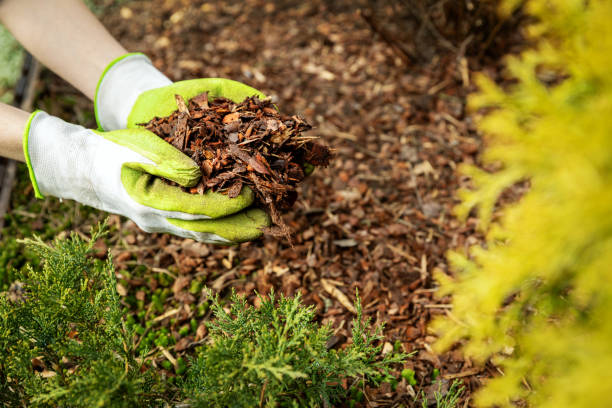
The Ultimate Guide to Mulching for North Texas Homeowners — Benefits, Types, and When to Apply
If you could do one single thing for your North Texas landscape that improved plant health, reduced your water bill, suppressed weeds, protected your soil through summer heat and winter cold, and made your entire yard look more polished and finished all at the same time — you'd do it. That thing is professional mulching.
Mulching is one of the most effective, versatile, and cost-efficient services available to homeowners in the DFW area. And yet it's also one of the most misunderstood. Many homeowners think of mulch as purely cosmetic — something you spread in the spring to make the beds look nice before it fades and needs to be replaced. The reality is that mulch is doing significant, measurable work in your landscape every day — protecting plant roots, conserving moisture, managing soil temperature, suppressing weeds, and improving soil health over time.
At RP Lawn Service, we provide professional mulching services to homeowners and commercial properties across Fort Worth, Arlington, Grapevine, Colleyville, Bedford, Euless, Hurst, Southlake, Keller, and the broader DFW area. This guide covers everything you need to know about mulching in North Texas — from the science behind why it works to the practical details of how it should be applied.
The Science Behind Why Mulching Works
To understand why mulching is so valuable in North Texas landscapes, it helps to think about what your garden beds are dealing with throughout the year.
In summer, soil surface temperatures in DFW can reach levels that damage plant roots. Direct sun exposure on bare soil accelerates moisture evaporation dramatically. Weed seeds in the soil germinate aggressively in the heat and light. Without protection, garden beds in a North Texas summer are constantly under stress.
In winter, the freeze-thaw cycles common across the DFW area — where temperatures drop below freezing at night and rise above it during the day — create mechanical stress on plant roots and soil structure. Repeated expansion and contraction damages fine root hairs and disrupts the soil around root zones.
Mulch addresses all of these challenges simultaneously. It acts as a thermal blanket — insulating the soil against temperature extremes in both directions. It acts as a moisture barrier — dramatically slowing the rate of evaporation from the soil surface. It acts as a light blocker — preventing weed seeds from receiving the sunlight they need to germinate. And as organic mulch breaks down over time, it feeds the soil, adding organic matter that improves structure, drainage, and the health of the microbial ecosystem beneath the surface.
The Full Range of Benefits — Expanded
Let's go deeper on each of the key benefits of professional mulching in a North Texas landscape:
Moisture Conservation
This is the benefit that matters most during a DFW summer. The combination of high temperatures, low humidity, direct sun, and occasional drought conditions means that unmulched garden beds lose moisture to evaporation at a rate that makes keeping plants adequately hydrated genuinely difficult and expensive.
A properly applied layer of mulch — two to three inches deep — reduces moisture evaporation from the soil surface significantly. This means the water you apply through irrigation or rainfall stays in the root zone longer, plants remain hydrated between waterings, and your irrigation system doesn't have to work as hard. For homeowners in DFW communities that face summer water restrictions, mulching is one of the most practical responses to keeping a landscape healthy within usage limits.
Weed Control
Weed seeds need light to germinate. A two-to-three-inch layer of mulch blocks that light, preventing the vast majority of weed seeds in the soil from germinating in the first place. This doesn't eliminate weeds entirely — some seeds blow in from above the mulch layer and germinate on the surface — but it dramatically reduces the overall weed pressure in mulched beds compared to unmulched ones.
For homeowners who spend significant time and effort managing weeds in their garden beds through the spring and summer, this is one of the most tangible quality-of-life improvements that professional mulching delivers.
Root Zone Temperature Management
Plant roots are sensitive to temperature extremes. Most landscape plants have an optimal soil temperature range for root function, and significant deviations from that range — in either direction — cause stress. Mulch moderates soil temperatures by creating an insulating layer between the soil surface and the ambient air temperature.
In summer, mulch keeps the root zone significantly cooler than it would be with bare soil exposed to direct sun. In winter, it keeps the root zone warmer during cold snaps, protecting against the root damage that can occur when soil freezes. This temperature buffering is particularly valuable in North Texas, where both summer extremes and winter cold snaps can be severe.
Soil Health Improvement Over Time
This is the benefit that most homeowners don't think about, but it compounds significantly over years of consistent mulching. As organic mulch — hardwood, cedar, pine bark — breaks down, it adds organic matter to the soil beneath it. This organic matter improves soil structure, loosens compacted clay, enhances water infiltration, and feeds the beneficial microorganisms that are the foundation of a healthy soil ecosystem.
In the heavy clay soils that dominate much of the DFW landscape — particularly in Fort Worth, Arlington, Grand Prairie, and Irving — this gradual soil improvement is enormously valuable. Clay soils that have been mulched consistently for several years are measurably healthier, better-draining, and more hospitable to plant roots than those that haven't been.
Erosion Prevention
In DFW, spring rainstorms can be intense and sudden. Bare soil in garden beds is vulnerable to erosion during these events — particularly on any slope, however gentle. Mulch absorbs the impact of rain and slows surface water runoff, dramatically reducing the amount of soil that washes away during heavy rain events.
Pest Management
Certain mulch types — particularly cedar — have natural pest-repelling properties. Cedar contains natural oils that are unpleasant to many insects, making it a popular choice for foundation plantings where homeowners are concerned about insect pressure near the home.
Aesthetic Impact
Fresh mulch transforms the appearance of a property instantly. A well-mulched landscape looks finished, intentional, and cared for. The dark, rich color of fresh hardwood or cedar mulch creates a backdrop that makes plant colors pop and gives garden beds a clean, defined appearance. In high-curb-appeal communities across DFW — Southlake, Colleyville, Keller, Westlake — fresh mulch is one of the fastest ways to elevate the visual impact of a property's landscaping.
Understanding Mulch Depth: Why It Matters
The depth at which mulch is applied determines how effectively it performs. Too little mulch and you lose most of the functional benefits. Too much mulch creates its own problems.
The standard recommendation — and what our team at RP Lawn Service applies — is two to three inches of mulch depth in garden beds. This depth provides adequate moisture retention, weed suppression, and insulation without creating the problems associated with over-mulching.
Less than one to two inches of mulch is largely ineffective. The layer is too thin to suppress weeds reliably or retain meaningful moisture.
More than four inches of mulch can actually harm plants. Excessively deep mulch can prevent adequate water and air from reaching plant roots, create anaerobic conditions in the soil, and provide habitat for rodents and harmful insects.
One of the most important details in proper mulch application is keeping a clear gap — at least two to three inches — between the mulch layer and the base of any tree, shrub, or plant. Piling mulch against plant stems or tree trunks — a mistake called volcano mulching that is extremely common in DIY applications — traps moisture against the bark, promotes rot, and creates conditions for disease and insect damage. This single mistake accounts for a significant amount of the plant damage and decline we see in DFW landscapes when assessing new clients.
Choosing the Right Mulch for Your North Texas Landscape
Different mulch types offer different combinations of appearance, performance, and longevity. Here's a comprehensive guide to the options most commonly used in DFW landscapes:
Shredded Hardwood Mulch
The most widely used mulch type in North Texas. Shredded hardwood has a natural, earthy appearance that complements most landscape styles. It knits together slightly as it settles, which helps it stay in place through rain and wind. It breaks down at a moderate rate, contributing organic matter to the soil as it decomposes. Typically needs to be refreshed once a year in most DFW landscapes.
Cedar Mulch
Cedar mulch is prized for its natural insect-repelling properties — the aromatic oils in cedar are unpleasant to many insects, including some that commonly affect North Texas landscapes. It also has a pleasant natural scent, particularly when freshly applied. Cedar breaks down more slowly than shredded hardwood, which means it maintains its appearance longer before needing to be refreshed. It's an excellent choice for foundation plantings and beds near the home.
Pine Bark Mulch
Pine bark is available in several sizes — mini nuggets, regular nuggets, and shredded. Larger sizes break down more slowly, extending the time between refreshes. Pine bark is a particularly good choice for sloped areas because larger pieces resist washing during heavy rain events. It has a warm, reddish-brown color that many homeowners find attractive.
Black, Brown, and Red Dyed Mulch
Dyed mulches use colorfast, non-toxic dyes applied to shredded wood to produce consistent, bold color effects. Black dyed mulch creates a dramatic, high-contrast backdrop that makes plant colors pop particularly well. Brown dyed mulch provides a natural-looking but very consistent color throughout the season. Red dyed mulch adds a warm, distinctive tone. Quality dyed mulches hold their color significantly longer than natural mulches, making them a popular choice for high-visibility areas where consistent appearance matters.
When to Mulch in North Texas: Optimal Timing
Mulch can be applied at any time of year, but the timing of application affects how much benefit you get from it.
Spring is the most impactful time to mulch in North Texas. Applying fresh mulch in March or April — after the last significant freeze but before the heat of summer — positions your beds to take full advantage of every functional benefit mulch provides through the most demanding season of the year. The weed suppression layer is in place before the spring weed flush. The moisture retention layer is ready for summer heat. The soil temperature insulation is in place before peak temperatures arrive.
Fall mulch application serves a different purpose — primarily protecting plant roots through winter and refreshing the aesthetic appearance of beds heading into the dormant season. For homeowners who mulch once in spring and once in fall, the fall application also helps replenish the organic matter layer as the spring application has been decomposing through the growing season.
How Often Should Mulch Be Refreshed?
In most DFW landscapes, a full mulch refresh once a year — typically in spring — is adequate. Over the course of a year, organic mulch compacts and breaks down, losing depth and with it the majority of its functional benefits. A fresh spring application restores the full two-to-three-inch layer and refreshes both the appearance and the performance.
High-visibility properties and those where homeowners want their landscape to look its best year-round may benefit from a second light refresh in fall, adding an inch or so of fresh material over the settled spring application.
The RP Lawn Service Mulching Process
When our team handles mulching for a DFW property, here's how the process works:
We begin by preparing the beds — removing debris, dead plant material, and any significant weeds that have established in the beds. Laying fresh mulch over an unprepared bed is counterproductive and wastes the investment.
We edge the beds before applying mulch. Clean, defined edges between the mulch and the lawn are one of the most impactful visual details in landscape presentation — and they're one of the first things people notice when a mulching job is done right.
We apply mulch to the correct depth — two to three inches — across the entire bed, distributed evenly and raked smooth.
We maintain proper clearance around all plants, shrubs, and trees — no volcano mulching, ever.
We clean up completely after application — mulch on the beds, clean edges, no debris on lawn, walkways, or driveways.
RP Lawn Service: 25 Years of Professional Mulching in DFW
Since 1995, RP Lawn Service has been providing professional mulching and comprehensive lawn care to homeowners and commercial properties across the DFW area. Our experienced team knows exactly how much mulch each space needs, how to prepare beds properly, and how to apply mulch in a way that maximizes its benefits while protecting your plants.
We serve Fort Worth, Arlington, Bedford, Colleyville, Grapevine, Grand Prairie, Irving, Euless, Hurst, Southlake, Keller, Westlake, and surrounding North Texas communities.

Book Your Professional Mulching Service Today
Give your landscape the protection, performance, and polish that professional mulching delivers. Spring is the most impactful time to mulch in North Texas — don't wait until summer is already here.
Visit https://www.rplawnservices.com/contact to schedule your free consultation today.


