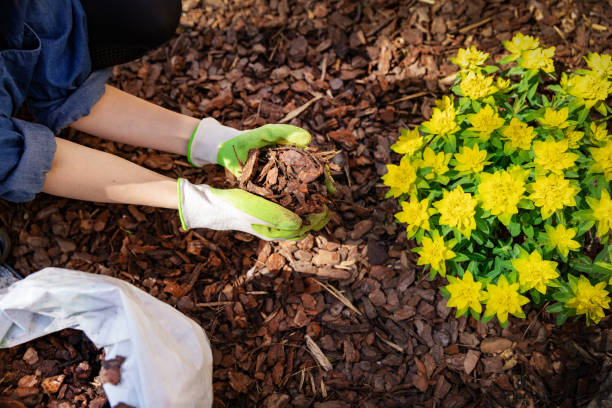
What Mulching Actually Does for Your Lawn — And Why DFW Homeowners Swear by It
If you've ever wondered whether mulching is actually worth it — or whether it's just a cosmetic upgrade that makes your garden beds look a little nicer — this blog is for you. The truth is that professional mulching is one of the most functional, cost-effective services a homeowner in the DFW area can invest in. It protects your plants, saves you water, suppresses weeds, improves your soil, and makes your entire landscape look cleaner and more finished all at once.
At RP Lawn Service, mulching is one of our most popular services across Fort Worth, Grapevine, Colleyville, Bedford, Southlake, Arlington, and the surrounding DFW communities. And once homeowners understand what mulch is actually doing beneath the surface, it's easy to see why.
The Real Benefits of Professional Mulching
Let's break down what mulch does — because it does a lot more than most people realize.
Moisture Retention
North Texas summers are brutal. Temperatures regularly climb above 100°F in July and August, and the combination of heat and dry air pulls moisture out of the soil at an alarming rate. Mulch acts as a protective barrier between the soil and the elements, dramatically slowing the rate of moisture evaporation. A properly mulched garden bed can retain soil moisture significantly longer than an unmulched one — which means your plants stay hydrated longer between waterings, and your water bill stays lower.
This is especially important in communities across DFW where water restrictions are often in place during the hottest months. Mulching is one of the most effective ways to keep your landscape healthy while using less water.
Weed Suppression
Weeds need light to germinate. A proper layer of mulch — typically two to three inches deep — blocks sunlight from reaching weed seeds in the soil, dramatically reducing the number of weeds that sprout in your garden beds. For homeowners who spend hours pulling weeds every spring and summer, professional mulching is genuinely life-changing.
It's not a perfect weed barrier — nothing is — but it reduces weed pressure significantly and makes the weeds that do emerge much easier to pull because they're growing in loose, mulched soil rather than compacted earth.
Soil Temperature Regulation
Mulch acts as insulation for your soil, moderating temperature extremes in both directions. In summer, it keeps the soil cooler by blocking direct sun exposure. In winter, it protects plant roots from the freeze-thaw cycles that are common in North Texas — especially during the kind of sudden hard freezes that have caught DFW homeowners off guard in recent years.
For shrubs, perennials, and recently planted trees, this temperature regulation is critical. Extreme soil temperature swings stress root systems and can damage plants that would otherwise survive a North Texas winter just fine.
Soil Health Improvement
Organic mulches break down over time, adding organic matter to the soil as they decompose. This improves soil structure, enhances drainage, and feeds beneficial soil microorganisms. In the heavy clay soils common across much of DFW — especially in communities like Arlington, Grand Prairie, and Irving — this organic matter addition is particularly valuable because it helps loosen compacted soil and improve drainage over time.
Curb Appeal
Let's not overlook the visual impact. Fresh mulch in garden beds transforms the look of a property instantly. It creates a clean, dark backdrop that makes plants pop, defines the edges between lawn and beds, and gives the entire landscape a finished, well-maintained appearance. In neighborhoods across Southlake, Colleyville, and Westlake, a freshly mulched landscape is one of the clearest signals of a well-cared-for home.
How Much Mulch Do You Actually Need?
The standard recommendation for mulching is two to three inches of depth in garden beds. Less than two inches doesn't provide adequate weed suppression or moisture retention. More than four inches can actually be counterproductive — excessively deep mulch can prevent water and air from reaching plant roots and can create a habitat for rodents.
It's also important not to pile mulch against the base of trees and shrubs — a common mistake known as "volcano mulching." Mulch piled against bark traps moisture, promotes rot, and can harbor insects that damage the plant. Proper mulching keeps a clear gap between the mulch layer and any plant stems or tree trunks.
Our team at RP Lawn Service applies mulch correctly every time — the right depth, the right spacing from plants, and with the edges pulled back cleanly from lawn areas.
Choosing the Right Mulch for North Texas
Not all mulch is the same, and the choice matters for both performance and appearance. Here's a quick overview of the most common options:
Shredded Hardwood Mulch — One of the most popular choices for DFW landscapes. It breaks down relatively slowly, looks natural and attractive, and provides good moisture retention and weed suppression. As it decomposes, it adds valuable organic matter to the soil.
Cedar Mulch — Cedar has natural insect-repelling properties, which makes it a great choice for homeowners who are concerned about pests around their foundation plantings. It also has a pleasant natural scent and a warm, attractive appearance.
Pine Bark Mulch — Larger pine bark pieces decompose slowly, which means they last longer before needing to be refreshed. They're a good choice for slopes because they resist washing away in heavy rain.
Dyed Mulch — Colored mulches — typically black, red, or brown — are popular for the consistent, bold appearance they provide. Quality dyed mulches use non-toxic colorants that are safe for plants, pets, and people.
How Often Should You Refresh Your Mulch?
In most DFW landscapes, mulch should be refreshed once a year — typically in spring, before the heat of summer sets in. Over time, organic mulches decompose and compact, losing both their visual appeal and their functional benefits. A fresh layer applied in spring gives your beds a clean look, replenishes the weed suppression layer, and prepares your plants for the stresses of a North Texas summer.
Some homeowners in particularly high-visibility areas choose to refresh mulch twice a year — once in spring and again in fall — to keep their landscape looking its best year-round.
Why RP Lawn Service Is the Right Choice for Mulching in DFW
With over 25 years of experience serving North Texas homeowners, our team knows exactly how to prepare beds properly before mulching, how much material each space needs, and how to apply it in a way that maximizes its benefits while protecting your plants.
We don't just drop mulch and spread it around. We edge beds, remove debris, and apply the mulch evenly and correctly — so the finished product looks great and performs the way it should.

Book Your Mulching Service Today
Give your landscape the protection and polish it deserves. Contact RP Lawn Service to schedule your professional mulching service across Fort Worth, Grapevine, Colleyville, Bedford, Euless, Hurst, Southlake, Keller, and surrounding DFW communities.
Visit https://www.rplawnservices.com/contact to book your free consultation.


