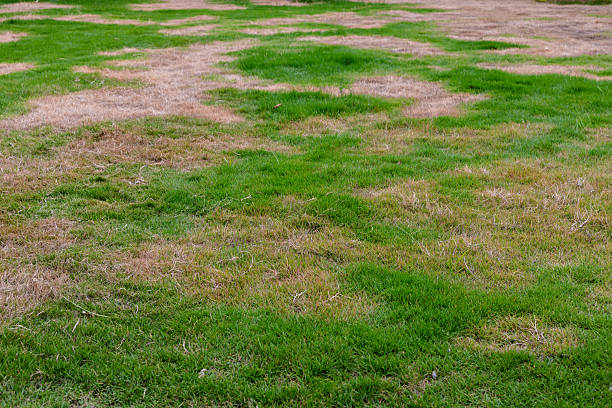
Why Your Lawn Looks Patchy After Winter — And How SOD Installation Fixes It Fast
Every spring, homeowners across Fort Worth, Arlington, Grapevine, Colleyville, Bedford, Southlake, and the broader DFW area walk outside expecting their lawn to green up the way it always has — and instead find something that looks more like a patchwork quilt than a lawn. Brown spots, bare areas, uneven color, dead zones that just won't come back. It's one of the most frustrating things a homeowner can deal with, especially after spending the previous summer keeping the yard looking good.
The good news is that a patchy post-winter lawn is a very solvable problem. The even better news is that professional SOD installation is the fastest, most reliable way to solve it — and the results are immediate in a way that seeding, fertilizing, or waiting simply can't match.
At RP Lawn Service, we handle SOD installation for homeowners and commercial properties all across the DFW area. We've seen every type of post-winter lawn damage North Texas can produce, and we know exactly how to assess, prepare, and restore a yard to full health. Here's what you need to know.
Why North Texas Lawns Come Out of Winter Looking Rough
Before we talk about the fix, it helps to understand why patchy post-winter lawns are so common in DFW in the first place. There are several contributing factors, and most North Texas lawns are dealing with more than one of them at once.
Hard Freezes and Freeze-Thaw Damage
North Texas winters are generally mild, but the DFW area is no stranger to hard freezes — and in recent years, the region has experienced some genuinely severe winter weather events. When temperatures drop suddenly and stay low for extended periods, warm-season grasses like Bermuda and St. Augustine can suffer significant cold damage.
Bermuda grass is more cold-tolerant than St. Augustine and typically survives North Texas winters without serious damage in most years. But St. Augustine — the lush, dense turf that many DFW homeowners prefer — has a lower cold tolerance and can sustain significant damage in hard freezes. The outer stolons and exposed turf areas are most vulnerable, which is why freeze damage often appears as irregular dead patches scattered across an otherwise recovering lawn.
Freeze-thaw cycles — where temperatures drop below freezing at night and rise above it during the day — create additional stress by disrupting the soil structure and damaging root systems through repeated expansion and contraction.
Dormancy Stress
Even without hard freezes, warm-season grasses in DFW go dormant in winter — and the transition out of dormancy in spring reveals how well the lawn held up. A lawn that went into winter in weakened condition — stressed by summer heat, drought, disease, pests, or poor maintenance — often struggles to come back fully. The areas that were already thin or struggling before dormancy may not recover at all, leaving bare spots that won't fill back in on their own without intervention.
Soil Compaction
Heavy clay soils are common across much of the DFW area, particularly in Fort Worth, Arlington, Grand Prairie, and Irving. Over time, these soils compact under foot traffic, rainfall, and their own weight. Compacted soil restricts root growth and reduces water and air infiltration — creating conditions where even well-maintained turf struggles. After a winter of rainfall on compacted clay, areas of poor drainage may have experienced waterlogging that damaged or killed turf roots.
Disease and Pest Damage
Some of the patchy damage that appears in spring actually began in fall or winter. Certain fungal diseases and pest infestations — particularly grub damage from larvae feeding on roots below the soil surface — aren't always obvious until the lawn tries to green up in spring and certain areas simply can't.
Foot Traffic and Physical Damage
High-traffic areas, parking overflow from holiday gatherings, construction activity, and other physical stresses during the winter months can create bare or compacted areas that don't recover naturally.
When Should You Consider SOD Installation vs. Waiting It Out?
This is the decision point many DFW homeowners struggle with in spring. The lawn looks rough — but is it bad enough to warrant sod, or will it recover on its own if you wait?
Here are the situations where waiting is likely the right call:
The lawn is thin and patchy but there's still living turf throughout. If the existing grass is alive — even if it's slow to green up — consistent watering, appropriate fertilization, and time may be enough to fill in thin areas through lateral spread.
The patches are small and isolated. Small bare spots — less than a few square feet — can often be addressed with sod plugs or patch sod rather than a full installation.
Here are the situations where professional SOD installation is the better answer:
Large areas of completely bare soil with no living turf. If the grass is dead — not dormant, but genuinely dead — it's not coming back. Waiting only prolongs the problem and gives weeds time to establish in those bare areas.
More than 30 to 40 percent of the lawn area is affected. When damage is widespread, trying to nurse a struggling lawn back is often slower, more expensive, and less reliable than starting fresh with quality sod.
The damage appears in high-visibility areas. Front yards, areas visible from the street, and spaces adjacent to outdoor living areas are places where the appearance matters most. Professional SOD installation in these areas produces immediate results that simply can't be replicated by waiting.
Time constraints are a factor. If you're selling, hosting events, or simply done looking at a damaged lawn, sod is the answer. Nothing else produces a full, green, finished-looking lawn as quickly.
How RP Lawn Service Approaches Post-Winter SOD Installation
The quality of a sod installation job is largely determined by the preparation that happens before a single roll of sod goes down. Here's how our process works:
Assessment
We start by evaluating the existing lawn — identifying which areas have living turf that may recover, which areas are genuinely dead and need to be replaced, and what underlying issues (soil compaction, drainage problems, etc.) may have contributed to the damage. This assessment shapes the installation plan.
Removal of Dead Turf and Debris
Dead turf needs to come out before new sod goes down. Leaving it in place creates a layer between the new sod and the soil that prevents proper rooting. We remove dead material thoroughly to ensure the new sod makes direct contact with the soil beneath it.
Soil Preparation and Grading
After clearing the area, we prepare the soil surface. This includes loosening compacted areas, adding any needed amendments, and grading to ensure proper drainage. In DFW's clay-heavy soils, proper grading is particularly important — new sod installed in areas with drainage problems will struggle the same way the old turf did.
We pay close attention to grade at this stage, ensuring the finished lawn surface will slope correctly to direct water away from structures and eliminate low spots where water pools.
Professional SOD Installation
With the surface properly prepared, we install the sod in tight, staggered rows — like a brick pattern — to minimize visible seams and ensure full coverage. Edges are cut cleanly, and the sod is pressed firmly into contact with the prepared soil to eliminate air pockets that would prevent rooting.
We select the right grass variety for your specific property — Bermuda for full-sun applications, St. Augustine for shadier conditions, or Zoysia for homeowners who want a dense, low-maintenance turf long-term.
Post-Installation Guidance
Proper care in the first two to four weeks after installation is critical. We provide every client with specific guidance on watering frequency, when to begin mowing, and what to watch for as the sod establishes. Getting the establishment period right is what separates a sod job that thrives from one that struggles.
Choosing the Right Grass for Your DFW Property
One of the most important decisions in any SOD installation project is selecting the right grass type for your specific conditions. In North Texas, the three primary options for residential sod are:
Bermuda Grass — The workhorse of DFW lawns. Bermuda is heat-tolerant, drought-resistant once established, and recovers well from damage. It needs full sun and goes dormant and browns in winter, but greens up reliably in spring. It's the best choice for most open, full-sun lawns in the DFW area.
St. Augustine Grass — The preferred choice for shaded or partially shaded properties. St. Augustine produces a lush, dense turf that many homeowners prefer aesthetically, but it requires more water than Bermuda and is more susceptible to cold damage. If your property has significant tree coverage or north-facing areas that see limited direct sun, St. Augustine is worth considering.
Zoysia Grass — A slower-establishing option that produces extremely dense, weed-resistant turf once it fills in. Zoysia is more shade-tolerant than Bermuda, has a finer texture, and requires less frequent mowing once established. It's a great long-term choice for homeowners who want a low-maintenance lawn and are willing to be patient through the establishment period.
Our team can evaluate your property's sun exposure, soil conditions, and maintenance preferences to help you choose the grass type that will perform best for your specific situation.
The Best Time to Lay Sod in North Texas
For Bermuda grass — the most common choice — late spring through early summer is the ideal installation window. Soil temperatures are warm, the grass is heading into its active growing phase, and there's enough warm weather ahead for the sod to establish fully before temperatures cool in fall.
St. Augustine and Zoysia can be installed successfully from late spring through early fall. The key is ensuring there are at least six to eight weeks of warm growing conditions ahead before the first frost to allow adequate establishment.
Spring installations almost always outperform fall installations in DFW, because the sod has an entire growing season ahead of it rather than a shrinking window of warmth.
Serving DFW Homeowners With Professional SOD Installation
RP Lawn Service has been installing sod for homeowners and commercial properties across the DFW area since 1995. Our second-generation, family-owned team brings the same commitment to craftsmanship and personal attention to every installation job that our clients have relied on for over 25 years.
We serve Fort Worth, Arlington, Bedford, Colleyville, Grapevine, Grand Prairie, Irving, Euless, Hurst, Southlake, Keller, Westlake, and surrounding North Texas communities.
Whether you need a partial repair or a complete lawn replacement, our team will assess your property, prepare the ground correctly, and install quality sod that's set up to thrive for years to come.

Don't Spend Another Season Looking at a Patchy Lawn
If your North Texas lawn came out of winter looking rough, now is the time to fix it — not in six months after waiting to see if it recovers. Professional SOD installation from RP Lawn Service will give you a full, healthy, beautiful lawn faster than any other approach.
Visit https://www.rplawnservices.com/contact to schedule your free consultation and get a personalized estimate for your property today.


